All over Scotland, there are voluntary groups, organisations, researchers and activists from global south diasporas and minority communities working to increase awareness of human rights, sustainable development, anti-racism, decolonisation, and local and global justice. Many are also providing direct support to their communities while also raising awareness about global injustice. The perspectives and experience of these groups are vital to Scotland’s goal of being a good global citizen, but, as they have told us, they are often left out of key conversations about global issues. In order to address this, and on the advice of the groups, SIDA has formed a Global Citizenship Steering Group.
Working together, the group has developed three main goals:
- Increase visibility and influence: To unite diaspora and minority communities to have a strong collective voice and influence the way that global issues are dealt with in Scotland, at a policy level and in the way that ordinary people and institutions think and act.
- Change the narrative: To change the narrative about who they are, who their home communities are and what they are contributing to Scotland and the world. To be seen and to be appreciated.
- Magnify issues and innovations: To magnify the issues that face global communities in Scotland and around the world, as well as the innovations they are using to address them.
If you would like to find out more about the Global Citizenship Steering Group, you can email Hannah at hannah@intdevalliance.scot
Group members
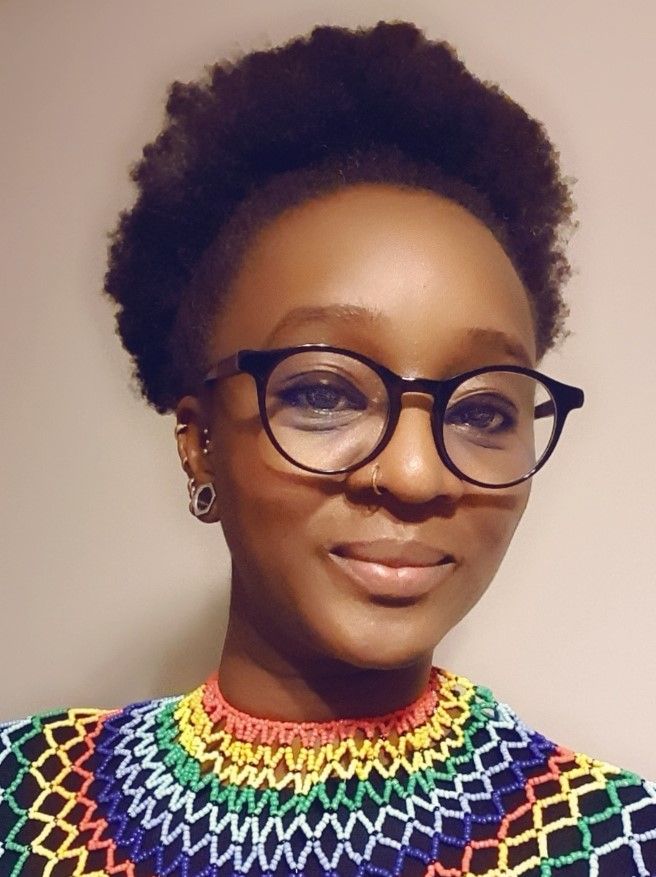
Mya Chemonges-Murzynowska
Mya is one half founder of The African Caribbean Asian and Mixed Heritage Association in Scotland and the Chair of Kenyans in the Highlands and surrounding areas. She is an income maximisation advisor with the Citizen Advice Bureau.
Mya’s drive and purpose is to ensure the communities that she supports and engages with are exposed to a wide range of cultural, traditional and heritage differences, while enjoying the unique benefits of being exposed to so many diverse cultures.
Her passion is to provide a safe space where people feel comfortable to discuss and share their experiences among the many unique and growing cultures in their communities while remaining making it fun, engaging and educational.
Mya is a community organiser and an advocate for her community.
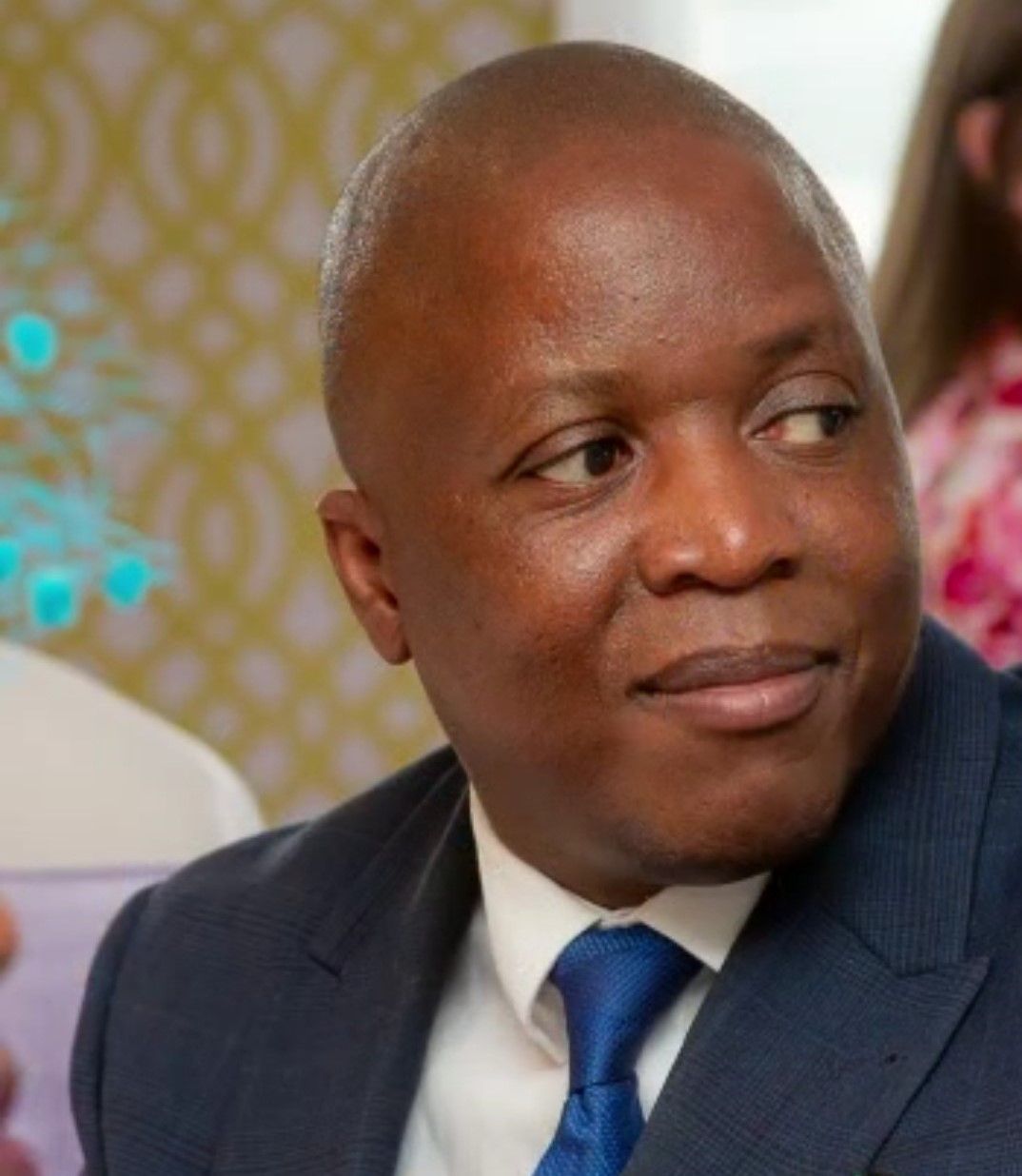
Johannes Gonani
Born and bred in Zimbabwe and currently living and working in Scotland since 2005. Johannes is a ‘Christian, husband and father’. His passion is working with diverse ethnic communities, and he is the Co-founder and Operations Manager of Pachedu charity.
Pachedu was set up in 2016 to help ethnically diverse groups in the West of Scotland be more visible and pro-active in shaping their communities. Johannes also works part-time as Project Coordinator at West of Scotland Regional Equality Council; he is an appointed church Elder at Zion Christian Church and sits on the Board of Directors for Engage Renfrewshire and West End Community Growing Growers Association (WEGGA).
Edeo Kalo
Edeo Kalo is a professional economist who focuses particularly on contemporary economics, development, the environment, and the water economy. Currently, he is lecturer at Glasgow University’s GIC College while pursuing a PhD at the University of Strathclyde.
He is enthusiastic about humanitarian and human rights concerns in Oromia, Ethiopia. Edeo has a long-standing interest in environmental protection, sustainable development, and the eradication of poverty. He has been serving as a trustee for the Oromo Relief Association (ORA) charity for several years, and he has successfully linked the ORA with the Scottish International Development Alliance.
He is also the chairman of Oromo Community Scotland, a successful organisation that supports refugees and asylum seekers in Scotland.
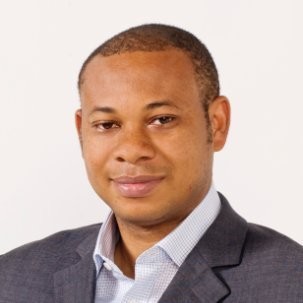
Dr Kingsley Oturu
Dr Kingsley Oturu is the Chief Executive of the African Scottish Development Organisation (www.asdoonline.org.uk), which he founded in 2007. He is passionate about charity, which led to his winning the extraordinary achievers charity award in work involving NHS Scotland, Strathclyde University, Scottish Government Global Citizenship program and other wide variety of stakeholders in sending Medical Equipment for research and aid to Nigeria, Africa.
He is a Medical Doctor with a PhD in International Health and Development (Queen Margaret university, Edinburgh, Scotland UK). He is currently involved in influencing sustainability policies and practices in the Scottish health care sector and supporting SMEs to achieve Net Zero. Dr Kingsley Oturu serves on the Scottish Government Global Citizenship Board, the Climate Change Board of the Faculty of Public Health, Royal College of Physicians, and the Global Citizenship Group of the Scottish International Development Alliance.
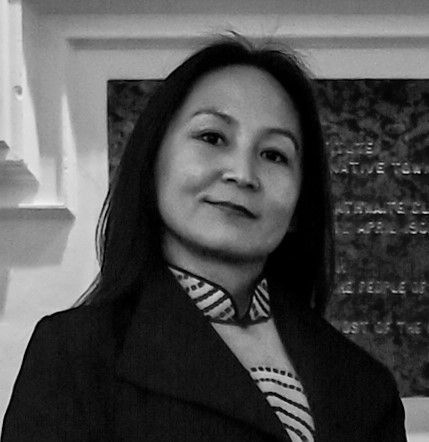
Uuganaa Ramsay
Uuganaa Ramsay is the founder and director of Mongol Identity SCIO. She is an award-winning author, campaigner and advocate. Uuganaa won the Scottish Asian Women’s Award for Achievement Against All Odds in 2014. Her memoir Mongol won the Janetta Bowie Chalice Non-Fiction Book Award from the Scottish Association of Writers and following Mongol’s publication, BBC Radio 4 and BBC World Service produced a documentary, The Meaning of Mongol.
Follow Uuganaa on Twitter.
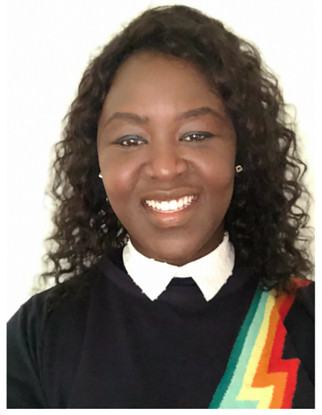
Carolina Wani
Carolina has a public health, health promotion and digital health systems background. She is a doctoral researcher at the Department of Computer & Information Sciences at the University of Strathclyde. Her research critically examines the factors influencing the advancement of digital mental health interventions for adolescents in low-and middle-income countries. Her research contributes to Goal 3 of the United Nation’s Sustainable Development Goals (Ensuring healthy lives and promoting well-being for all ages).
Her current study aims to co-design a digital mental health intervention to address the needs of adolescents in South Sudan. The solution will be responsive to the technological and health systems infrastructure in that context.
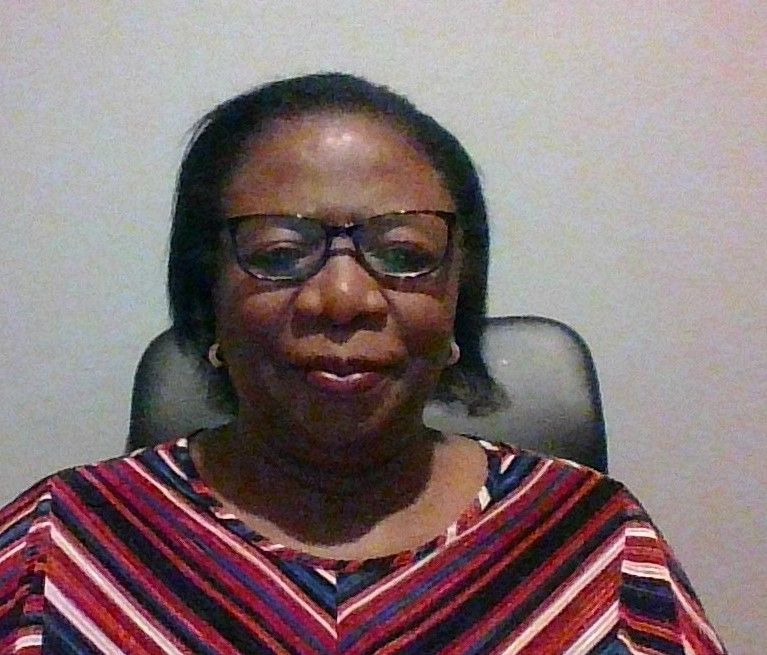
Bertha D. Yakubu
Bertha is a social justice activist and founder of African Women’s Group Scotland (AWGS) and Nigerian Open Educational Resources (NOER). She is passionate about women’s rights and increasing the inclusion of diverse communities in Scotland. She holds an MPhil in Public Health and an M.Ed. in Science Education. She has previously worked for Aberdeen City Council, was an educationist, school administrator and ICT analyst. In 2022, Bertha received an MBE, and has been the recipient of a variety of other awards including three from Aberdeen City Council – in 2016 for making a difference in other women’s lives, in 2001 for being one of the 100 most influential women in Aberdeen, and won Aberdeen Woman of the Year Award in 1995. Bertha also won the Scottish Unsung Heroine award in 2001.
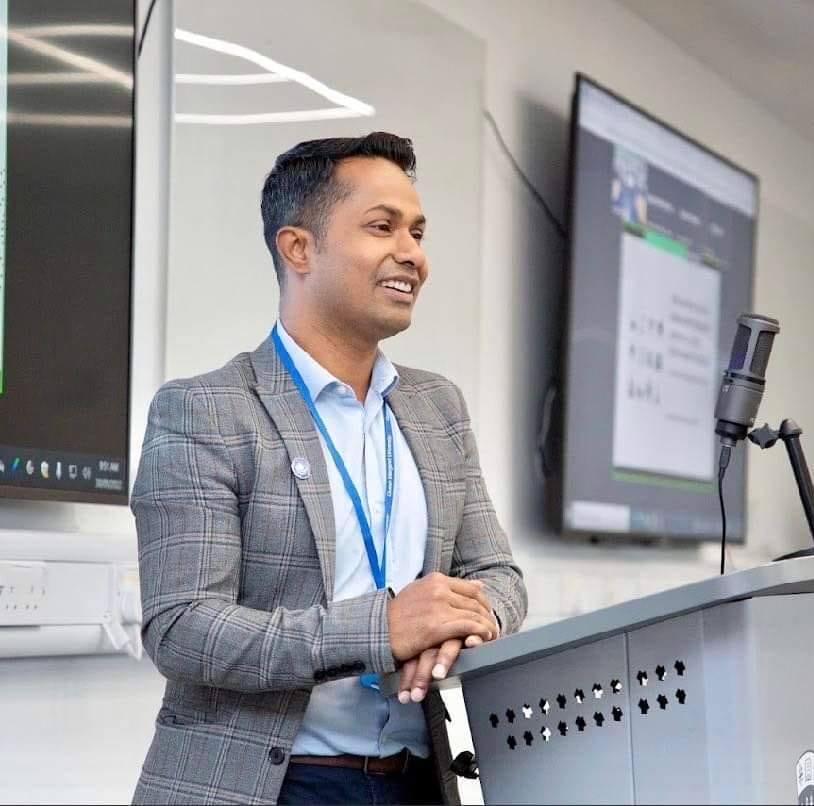
Rezaur Rahman
Rezaur is a PhD candidate at Queen Margaret University in Edinburgh. His research focuses on examining the effectiveness of social mixing activities in creating a space where people from migrants and non-migrants can meaningfully interact and build positive social relationships. Currently, he is working as an income maximise adviser, responsible for providing active support to disadvantaged communities to overcome financial hardships and other socio-economic factors impacting their physical and mental well-being. He is also a director of the board for Theiya Arts, an organisation striving to create a space where people from different backgrounds can connect and participate in multiple activities such as dance, yoga and mindfulness that helps improve their physical and mental health.
Rezaur defines himself as a global citizen and is passionate about creating a world where all people have equal access to meaningful community, paths to wellbeing and all other basic needs required to live happily.
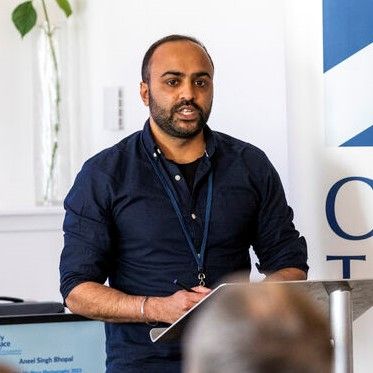
Aneel Singh Bhopa
After completing an LLB (Honours) and MSc in Criminal Justice, Aneel has been involved in the third sector for over a decade supporting various causes in both paid and voluntary roles. Previously, Aneel has worked for the Central Scotland Equality Council (CSREC) managing a large scale environmental and equalities project which supported people from BAME communities in the Forth Valley area. With the Scottish Refugee Council, Aneel has also coordinated regional support for refugees, asylum seekers and new migrants, across the South West of Scotland, through engagement with community organisations, local authorities and public sector agencies. Aneel currently works as Deputy Director of the West of Scotland Regional Equality Council (WSREC), an equalities and human rights organisation, based in Glasgow.
Aneel is a regular contributor to BBC Scotland’s ‘Thought for the Day’ and currently sits on Refugee Action’s ‘Insight Advisory Hub’.
He has experience of volunteering with Interfaith Glasgow, SEVA Scotland and Forestry Commission Scotland.